Church growth can be complex, but here are several key strategies that can help foster sustainable, spiritual, and numerical growth within a congregation:
1. Prayer and Dependence on the Holy Spirit
- Growth begins with seeking God’s guidance. Commit to regular, unified prayer within leadership and the congregation. Dependence on the Holy Spirit for direction, wisdom, and empowerment is critical.
2. Strong Leadership
- Pastors and church leaders need to be visionary and capable of inspiring the congregation. Leadership should focus on developing other leaders, creating a multiplying effect in ministries and outreach.
3. Clear Vision and Mission
- A church must have a clear and compelling vision for where God is leading. Make sure that the vision is biblically rooted and relevant to the needs of the community. This allows for focused efforts and unites the congregation toward common goals.
4. Disciple-Making Culture
- Healthy churches grow by making disciples who make disciples. Create pathways for people to grow in their faith, including small groups, Bible studies, and mentoring relationships.
5. Outreach and Evangelism
- Intentional outreach to the community is essential. This can include service projects, evangelism efforts, and partnerships with local organizations. Encourage the congregation to share their faith in everyday life.
6. Authentic Worship and Preaching
- Worship services should be genuine and Christ-centered, meeting both spiritual and emotional needs. Preaching that is biblically sound, relevant, and engaging can attract new members and retain existing ones.
7. Welcoming Atmosphere
- Churches that grow often have a culture of hospitality. Ensure that visitors are warmly welcomed and provided with a clear pathway to get connected with the church. Create a sense of belonging early on.
8. Engage and Empower Volunteers
- A church that values its members’ gifts and encourages participation will create a vibrant and active community. Develop systems to recruit, train, and empower volunteers to serve in various ministries.
9. Community Involvement
- Churches that grow are often deeply connected to their surrounding communities. Understand the needs of your area and engage in outreach that meets those needs. This creates a bridge for people to engage with the church.
10. Consistent Follow-Up
- Churches that effectively follow up with first-time visitors, new believers, and those who have drifted away show that they care. Regular follow-up builds relationships and strengthens connections.
11. Focus on Young Families and Youth
- Young families and youth are key to long-term church growth. Have vibrant children’s and youth ministries, and offer programs that support and equip parents in their spiritual journeys.
12. Flexibility and Adaptability
- Churches that are open to change while holding firmly to biblical truth can remain relevant in an ever-changing culture. Be willing to adapt methods and approaches to reach new people while maintaining a commitment to the gospel.
13. Online Presence
- In today’s digital age, a strong online presence is vital. Maintain a website, utilize social media, and offer online services or sermons. This allows people to engage with the church even before they visit in person.
14. Focus on Relationships
- Church growth happens when people feel loved, valued, and connected. Build intentional relationships within the church and community to foster a culture of care.
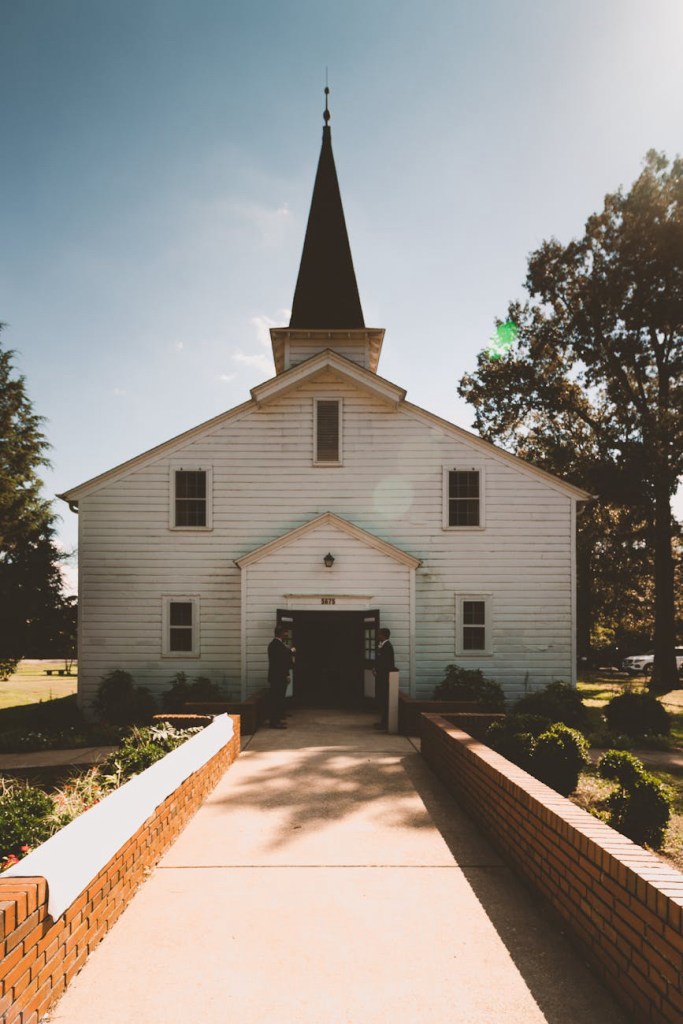
 Cross Mission Media