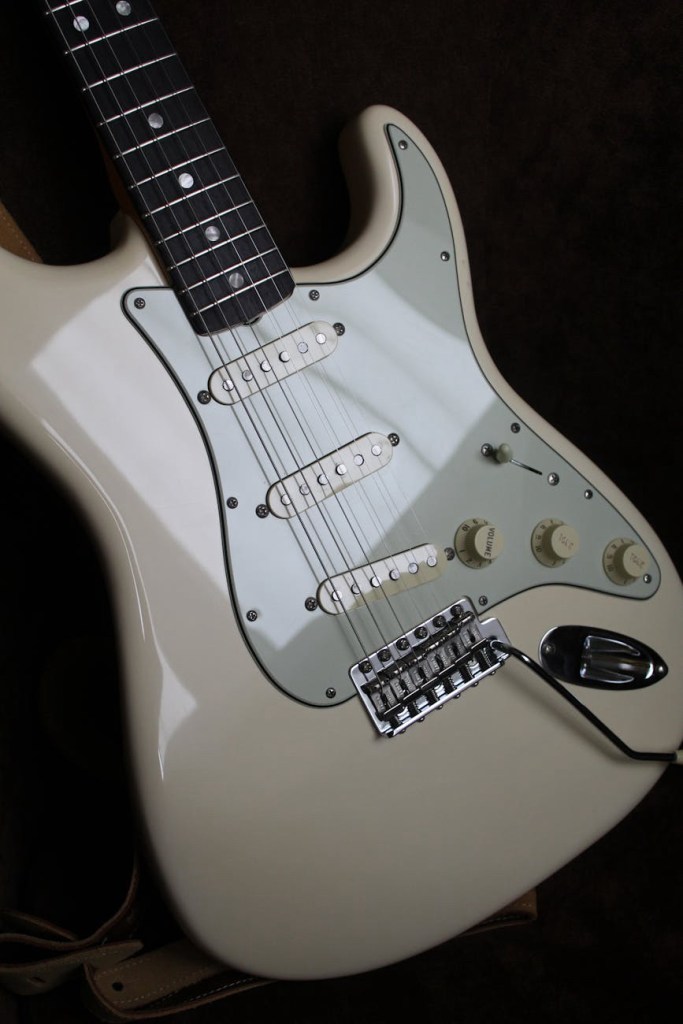
The Fender Stratocaster, a guitar known for its unique, bright tone and iconic design, has held a special place in gospel music since its inception in 1954. While initially popularized by rock and blues musicians, its impact in gospel has grown over the decades, influencing the genre’s evolution and sound.
1950s-1960s: Gospel’s Early Electric Era
In the early years, gospel music was still dominated by traditional instruments like the piano, organ, and acoustic guitar. However, as electric instruments gained popularity, artists began to experiment with the Stratocaster’s warm, clear tone. During this time, the electric guitar added a new dynamic to gospel quartets and choirs, often played in church services or tent revivals to bring energy and excitement to the music.
1970s-1980s: A Growing Influence
With gospel evolving into subgenres like contemporary gospel, the Stratocaster gained traction for its versatility and ability to blend with the upbeat, energetic worship styles that emerged in this era. Players began incorporating soul, funk, and blues-inspired guitar riffs into gospel music, blending secular styles with worship to create a unique and expressive gospel sound.
1990s-2000s: Gospel and Contemporary Christian Music
The 1990s and 2000s saw a boom in gospel music’s popularity, with artists like Israel Houghton, Jonathan Dubose Jr., and other skilled Stratocaster players bringing gospel music to a wider audience. The Stratocaster’s crisp tone allowed gospel guitarists to create clear, sharp lines that could cut through large choirs and loud bands, lending itself perfectly to contemporary gospel’s layered sound.
Modern Gospel: The Stratocaster’s Signature Sound
In modern gospel, the Fender Stratocaster remains a popular choice for artists seeking an expressive, recognizable tone. Its distinct sound continues to shape gospel music, especially in worship bands where guitarists utilize its iconic tremolo arm and diverse tonal range. Today, prominent gospel musicians, including Kirk Franklin’s guitarist and players in larger gospel choirs, rely on the Stratocaster to create rich sonic layers, carrying on the instrument’s legacy in the genre.
From its early days to now, the Stratocaster has become a beloved instrument in gospel music, contributing to the vibrant, dynamic sound that defines the genre.
 Cross Mission Media