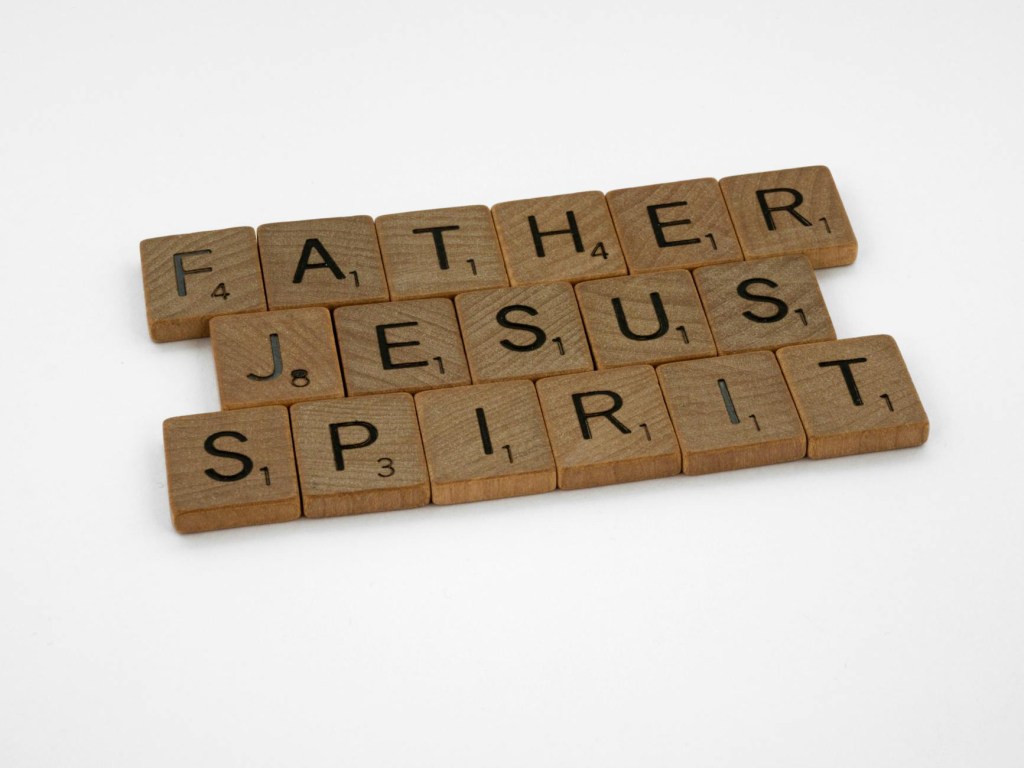
In the history of theological thought concerning Christ until modern times there was always a solid core of doctrine which can be equated with biblical orthodoxy. The early church Fathers, struggling with the obvious problem of the doctrine of the Trinity and how could God be Three and yet One, stated in enduring terms that while God is One numerically, He subsists in three Persons, God the Father, God the Son and God the Holy Spirit who are equal in eternity, power and glory, Each possessing all the divine attributes and yet having properties which distinguish Them within the unity of the Trinity. A milestone in the statement of this important doctrine of the Trinity was reached in the Nicene Council in 325 and was matured and restated by the Protestant Reformers.
Jesus Christ our Lord
John F. Walvoord
Copyright © 1969 by
THE MOODY BIBLE INSTITUTE
OF CHICAGO
The Nicene Council, convened in 325 AD, spent countless hours in deep study, debate, and prayer as they wrestled with the doctrine of the Trinity. Bishops and scholars from across the Christian world gathered to examine Scripture, compare theological arguments, and refute heresies—most notably Arianism, which denied the full divinity of Christ. They carefully considered passages that affirmed the Father, Son, and Holy Spirit as distinct yet unified in essence. Through intense discussion and unwavering commitment to preserving biblical truth, the council ultimately formulated the Nicene Creed, a foundational statement affirming that Jesus is “of the same essence” as the Father. Their tireless efforts shaped Christian theology for generations, ensuring that the doctrine of the Trinity remained a central pillar of the faith.
-Elving Ellis
 Cross Mission Media