The Didache, also known as The Teaching of the Twelve Apostles, is one of the earliest known Christian writings outside of the New Testament. Likely written in the late first or early second century, the Didache serves as a kind of church manual—offering instruction on Christian ethics, rituals, and community organization.
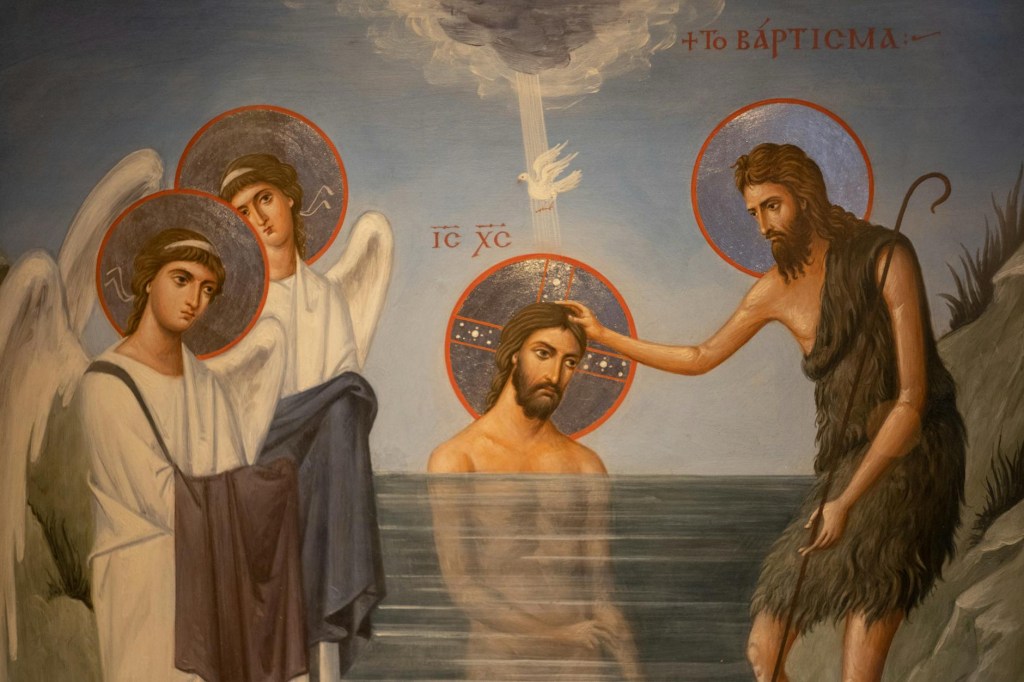
Though not part of the Bible, the Didache was highly respected by many early Christians and provides a window into how the earliest believers practiced their faith in daily life. Among its most notable teachings is its clear instruction on baptism—specifically, baptism in the name of the Father, and of the Son, and of the Holy Spirit.
Trinitarian Baptism in the Didache
In Chapter 7 of the Didache, the text lays out this directive:
“Baptize in the name of the Father, and of the Son, and of the Holy Spirit, in living (running) water. But if you do not have living water, baptize in other water; and if you cannot do so in cold water, then in warm. But if you have neither, pour water three times on the head in the name of the Father and Son and Holy Spirit.”
This instruction not only highlights the importance of baptism in the early Christian community, but it also affirms the use of the Trinitarian formula—a clear alignment with what Jesus commanded in Matthew 28:19. The Didache reflects that early Christians took Christ’s words seriously and saw baptism as a sacred rite, to be done in the proper way and with reverence.
Why the Trinitarian Formula Matters
The mention of the Father, Son, and Holy Spirit points to an early and widespread recognition of the Trinity—not as a later invention, but as a foundational part of Christian identity and worship. The Didache’s endorsement of Trinitarian baptism shows that the earliest Christians believed in the unity and distinction of the three Persons of God, even if formal Trinitarian theology would be developed more fully in later centuries.
Baptism as Entry into the Faith Community
The Didache also emphasizes that baptism was not to be taken lightly.
Conclusion
The Didache stands as a valuable testimony to the beliefs and practices of the earliest followers of Jesus. Its teaching on Trinitarian baptism not only affirms the authority of Jesus’ Great Commission but also underscores the early church’s commitment to honoring the Father, Son, and Holy Spirit in every key aspect of Christian life. For believers today, it is a powerful reminder of the unbroken chain of faith and practice that connects us to the first disciples.
 Cross Mission Media