Sumerian literature and the book of Genesis both appear to reference a similar region when describing the origins of humanity and a paradise-like garden. These ancient texts seem to point to a real geographic location in the ancient Near East. Genesis gives us specific clues about the Garden of Eden’s location by mentioning four rivers that flowed from or near it: the Pishon, Gihon, Tigris, and Euphrates. Of these, the Tigris and Euphrates are still known rivers today, running through modern-day Iraq and surrounding areas. Their continued existence allows scholars and archaeologists to approximate the general region where Eden might have been located. Many believe this would place Eden somewhere near ancient Mesopotamia, often called the cradle of civilization. This overlap between biblical and Sumerian sources strengthens the view that the Garden of Eden was not merely symbolic, but based on a real, once-accessible location that held deep spiritual and historical significance.
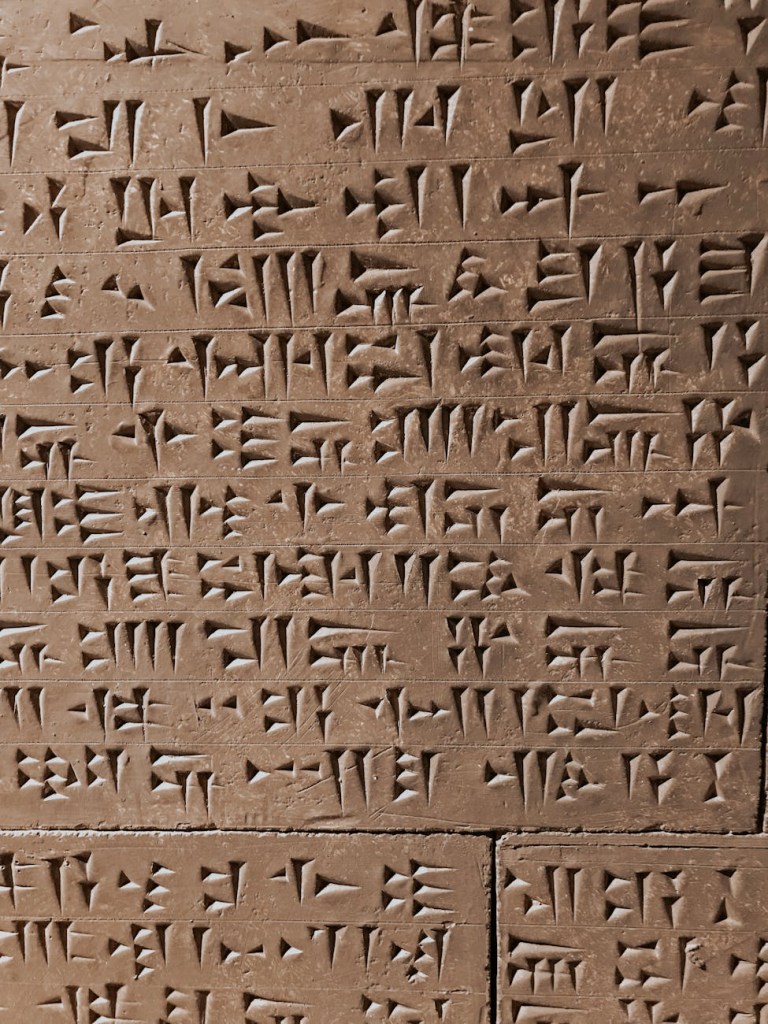
There are numerous fascinating parallels between the ancient Mesopotamian narratives and the book of Genesis, suggesting a shared cultural memory or influence from early civilizations. Stories recorded on clay cuneiform tablets—especially from Sumerian, Akkadian, and Babylonian sources—often echo themes found in Genesis, such as creation, a great flood, and even a garden paradise. These tablets, many of which date back thousands of years, are still being studied and translated today.
The British Museum in London houses one of the world’s largest collections of these tablets, with over 130,000 pieces in its possession. However, the majority of them have yet to be fully translated and studied. One of the major challenges is the limited number of scholars who are skilled in reading and interpreting ancient cuneiform script. Because of this shortage, progress is slow, and full understanding takes time.
Yet, with each new translation, scholars occasionally uncover information that sheds fresh light on the historical and cultural background of Genesis. Sometimes, these discoveries affirm details found in the Bible or provide helpful context that enriches our understanding of its early chapters. As more tablets are translated, we may continue to see connections that reveal how ancient civilizations understood their world—and how those ideas intersect with the biblical narrative.
 Cross Mission Media